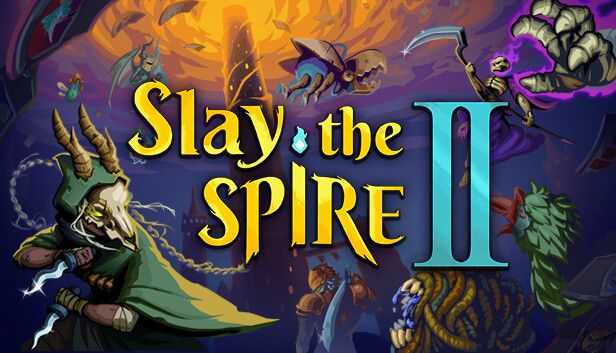

Slay the Spire 2 is one of the hottest games on Steam for a reason. At the time of review, it is sitting high on Steam’s global Top Sellers chart, it carries an Overwhelmingly Positive user-review signal on Steam with more than 23,000 English reviews, and it is trying to solve one of the hardest problems in games: how do you follow up one of the most important deckbuilding roguelikes ever made without flattening what made the original special?
The short answer is that Mega Crit does not try to win with noise. Slay the Spire 2 is not built around fake sequel energy, inflated spectacle, or a desperate need to look bigger in every screenshot. Instead, it succeeds by understanding exactly what the first game did well, then tightening, extending, and refreshing that loop just enough to make returning feel exciting again.
Steam heat is real, not manufactured
Steam matters here because it is not just a store page, it is also a live signal surface. Slay the Spire 2 is not only visible; it is being actively validated by player attention, purchasing behavior, and review momentum. On Steam, the game is tagged as Indie, Strategy, Early Access, and the user-defined tags cluster around exactly what you would hope to see: Strategy, Roguelike, Card Game, Deckbuilding, Co-op.
That matters because hype for this kind of game does not survive contact with players unless the run-to-run feel is real. Deckbuilder audiences are ruthless. If the systems are shallow, if the balance is lazy, or if the sequel simply re-sells old ideas with a prettier UI, the user-review curve usually tells you very quickly. Here, the review trend points in the other direction.
What works
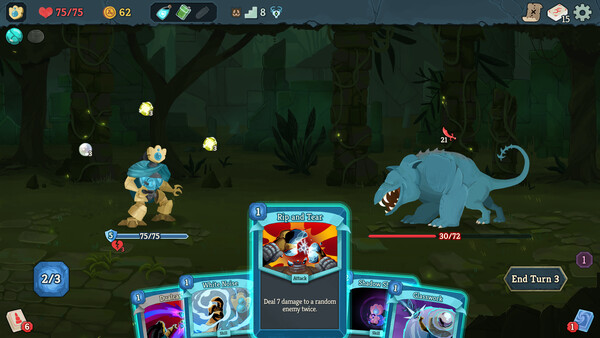
The biggest strength of Slay the Spire 2 is that it preserves the central tension that made the original so addictive: every fight, route, relic, and card pick feels like part of a larger argument about what your run is becoming. This is still a game about compounding decisions. It still makes you feel the weight of greed, caution, improvisation, and overconfidence. And that is exactly what a sequel like this needs.
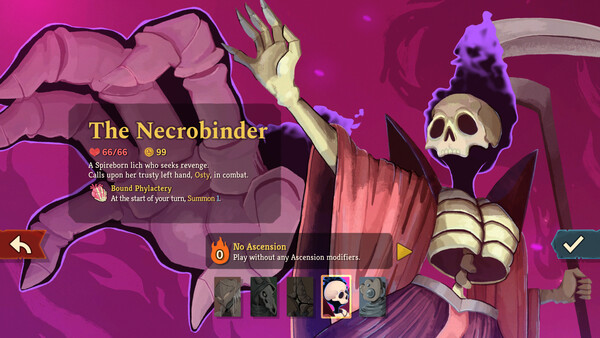
The new classes and revisions to returning ones appear to be doing real design work, not cosmetic work. Based on external critical coverage and the structure visible in the current build, Mega Crit is clearly trying to keep the foundation recognizable while opening up new lines of thought for experienced players. That is the smart move. A game like this does not need to reinvent the genre every two minutes; it needs to keep expert players from slipping into autopilot.
Another major plus is that the game seems more willing to punish lazy pathing. One of the recurring takeaways from critical impressions is that old instincts do not always map cleanly onto the sequel. Elite encounters, route planning, and resource tradeoffs seem to ask for more discipline than before. That is good. The fastest way to make a sequel feel disposable is to let it become a solved remix.
The new co-op mode is also more than a bullet point. On Steam, the game openly markets co-op as a major feature, and from what is visible in critical play impressions, that mode adds genuine communication pressure rather than just bolting multiplayer on top of a solo system. If that continues to mature, it could become one of the clearest reasons to keep returning even for people who already mastered the original game’s rhythms.
What does not work yet
The biggest caveat is obvious: this is still Early Access. Mega Crit says directly on Steam that it is using Early Access for balancing, quality-of-life work, experimental features, bug fixing, and broader feedback collection. That is the kind of statement almost every studio makes, but in this case it actually fits the shape of the project. A card-based roguelike with huge interaction space genuinely benefits from a large live audience stress-testing balance and edge cases.
That said, Early Access is still Early Access. If you want the cleanest possible content-complete version, this is not that. The developer openly says more content, a true ending, more modes, more balance work, and more fixes are still planned. Some players will read that as exciting runway; others will see that as a reason to wait.
There is also a legitimate question about ambition. Slay the Spire 2 seems to be choosing refinement over shock. For me, that is mostly the right call. But if you wanted a sequel that completely breaks from the first game’s shape, this one may feel more evolutionary than revolutionary. That is not automatically a flaw, but it is a real expectation-management point.
What players are saying on Steam
Steam user sentiment is one of the strongest reasons to take this game seriously. The broad review signal is not just positive, it is emphatically positive. More importantly, that sentiment appears to line up with the same themes found in stronger critical coverage.
The recurring praise pattern looks like this:
- the sequel keeps the original’s identity intact
- the core run structure still feels exceptional
- the new content is meaningful enough to justify coming back
- the game already feels strong even before final release
The recurring complaint pattern is more restrained, but still visible in how players discuss the game and how Early Access is framed:
- balance still needs iteration
- some players want more content before treating it as complete
- not everyone will see enough reinvention to call it a dramatic leap over the original
That combination is actually healthy. The praise is about fundamentals, while the complaints are mostly about maturity and scope. That is a much better position to be in than a launch where the audience is questioning the core game feel.
Steam store page and presentation
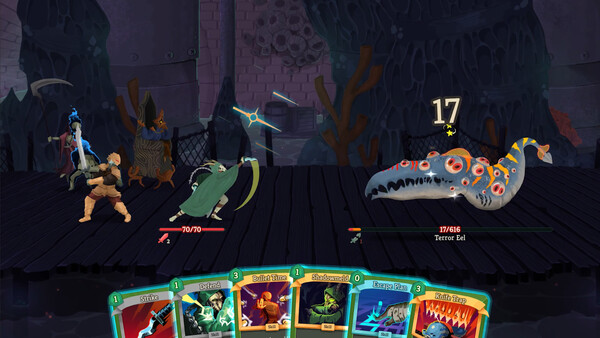
The Steam store page does a solid job of selling what matters. The official description emphasizes:
- the return of the core roguelike deckbuilder loop
- new cards, relics, potions, and dangers
- five playable characters
- co-op for up to four players
- more lore and long-term Early Access expansion
That pitch works because it matches the signals elsewhere. It is not trying to disguise the game as something it is not. It is selling depth, repeatability, and strategic variation. For a game like this, that clarity matters more than cinematic marketing copy.
Steam also gives us useful operational context: the game launched into Early Access on March 5, 2026, the current price is $24.99, and Mega Crit has already signaled that the price is expected to rise after Early Access. That makes the current version feel like an intentionally priced entry point rather than a vague premium-access experiment.
Is the hype justified?
Yes, mostly.
This is not a case where Steam heat looks artificial or detached from the actual product. The game has three things that matter: strong player sentiment, real critical support, and a design premise that appears to be holding up under live use. That does not mean every player will think it is instantly superior to the first game. It does mean the early reception is grounded in something more durable than launch-week excitement.
What I like most is that Slay the Spire 2 seems to understand that sequels do not need to panic. The original game became foundational because it was ruthlessly good at its own loop. The sequel appears to respect that truth instead of trying to bury it under novelty for novelty’s sake.
Who is it actually for?
Slay the Spire 2 is for three obvious groups:
1. Fans of the original
If you already loved Slay the Spire, this is the easiest audience match. The sequel is clearly designed to feel familiar without feeling dead.
2. Players deep into deckbuilders and roguelikes
If games like Monster Train, Wildfrost, Across the Obelisk, or Griftlands are already in your rotation, this belongs on your list.
3. Players who enjoy system mastery
This is not a passive game. It is a game for people who enjoy seeing how one choice changes the next five choices.
It is not the cleanest fit for people who need total content completeness right now, or for players who only care about sequels when they radically disrupt the original formula.
Verdict
Slay the Spire 2 succeeds because it understands the hard part: keeping the original’s tension, clarity, and compulsion intact while making the return worthwhile. It does not look like a cynical sequel. It looks like a smart one.
It is still Early Access, so there is obvious room to grow. But if the question is whether the current Steam momentum is deserved, the answer is yes. The player-review trend, the critical response, and the game’s present shape all point in the same direction.
PatchPoint verdict: 9/10
It may not be the most radical sequel in modern strategy design, but it already feels like one of the safest recommendations on Steam for anyone who wants a deckbuilder that still knows how to bite.
Sources
- Steam store page: https://store.steampowered.com/app/2868840/Slay_the_Spire_2/
- Steam user review summary and store metadata: https://store.steampowered.com/app/2868840/Slay_the_Spire_2/
- IGN review: https://www.ign.com/articles/slay-the-spire-2-review-early-access
- Official site: https://www.megacrit.com/